How to Keep Tea Warm Without Ruining the Cup
Tea is a hot drink poured into a vessel that starts losing heat immediately, and that is not a defect to engineer away. A cup at 85 °C and the same cup at 60 °C are different drinks: the first is bright and aromatic, the second rounder, flatter and more drying. Keeping tea warm is therefore a trade rather than a free upgrade. You can hold a pot near its brewing temperature, or you can hold it at a temperature where it still tastes like itself. The useful skill is knowing which of the two you are doing.
The method matters less than two things: how much leaf is still sitting in the liquid, and how much of the tea's identity lives in aroma rather than in body.
What heat is doing to the tea while it waits
Three processes run at once in a pot standing on the table.
Aroma leaves with the steam. The compounds that make green tea smell green and jasmine smell floral are volatile: they evaporate at the temperatures tea is served at. Every minute near 85 °C costs some of them, and nothing puts them back.
Extraction keeps going. If leaf is still in the pot, it is still giving up colour, body and astringency. A pot that tastes balanced when poured can be thin and harsh fifteen minutes later, not because it cooled but because it kept brewing.
The liquor oxidises. Brewed tea darkens and dulls as it sits in contact with air. The change is slow, but it is why a reheated cup tastes older than its age.
Cooling speeds up the perception of all three; warm tea holds aroma in the cup for longer, which is the only real reason a warmer helps.
The temperature each tea wants in the cup
Brewing temperature and drinking temperature are separate numbers, and most charts publish only the first. The windows below are practical serving ranges, not specifications: they are where a tea reads clearly, and they shift with the leaf, the water and the drinker.
| Tea | Brew with | Comfortable in the cup | What holding it hotter costs |
|---|---|---|---|
| Green tea | 75-80 °C | 65-75 °C | Freshness and sweetness go first; astringency sharpens |
| White tea, silver needle | 80-85 °C | 70-80 °C | The soft honeyed top note flattens |
| Yellow tea | 75-80 °C | 65-75 °C | Tastes generically vegetal |
| Jasmine and scented green | 80 °C | 70-75 °C | The floral layer is gone within minutes |
| Light oolong, Tieguanyin | 85-90 °C | 75-85 °C | Loses perfume, gains a dry grip |
| Roasted oolong, Da Hong Pao | 95-100 °C | 85-90 °C | Little: roast and body survive heat |
| Black tea | 90-95 °C | 85-90 °C | Malt turns into a flat tannic edge |
| Ripe pu-erh | 95-100 °C | 90-95 °C | Almost nothing; the most heat-tolerant category |
The pattern is consistent: the more a tea depends on aroma, the lower the temperature it wants in the cup. Roasted and fermented teas are built on body, which heat does not remove.
Reheating is not the same as keeping warm
Keeping warm slows a loss. Reheating tries to reverse it and cannot: raising the temperature brings back heat, not the volatiles that left with the steam. What it does bring back is extraction and oxidation, which is why a reheated cup so often tastes stronger and flatter at the same time.
If you reheat anyway, the method decides how much you lose. A water bath is the gentlest: stand the cup or pot in a bowl of hot water and let it come up slowly, with no direct heat under the vessel. Topping up with a splash of freshly boiled water is faster but dilutes; do it before the tea has gone fully cold, and shorten the following steep to compensate, as set out in the brewing temperature and steeping time chart. A microwave heats unevenly and is the least predictable of the three, particularly with any metal fitting on the vessel.
Never reheat a pot that still holds its leaf: at that point you are brewing an uncontrolled second infusion, not warming tea.
Vessel mass matters more than insulation
Most cooling happens through the walls and the lid, but the first loss happens at the moment of pouring. A thick cold pot takes heat out of the liquor immediately; preheating it with boiling water and discarding that water is the cheapest intervention available, and it changes the first cup more than any accessory.
After that, geometry and material decide. A full pot holds heat better than a half-empty one, because there is less air to move heat into. A lid kept on between pours matters as much as wall thickness. Material is the trade-off covered in glass, ceramic and purple clay compared: glass shows the leaf and gives heat away quickly, while ceramic and dense clay hold temperature longer but hide the brewing.
Four ways to hold heat, and what each costs
1. Brew smaller and pour sooner. No equipment and no change of character: a smaller pot, emptied and refilled, keeps every cup inside its window. This is the logic gongfu brewing is built on: it never lets the tea sit.
2. Insulate the outside. A sleeve, a coaster or a folded cloth slows cooling without touching the tea. It costs nothing in flavour and buys roughly a cup's worth of time.
3. Warm from below. A tealight or electric warmer holds a pot at serving temperature. It works when the pot has been strained; with leaf still inside, the leaf sits in warm liquid and keeps extracting.
4. Vacuum flasks. The longest hold, with two costs: leaf still in the tea keeps brewing at full strength, and the headspace traps aroma that would otherwise reach the nose. Strain first, fill it high, and treat a flask as transport rather than as tasting equipment.
When the pot has gone cold: three fixes, ranked
Steep again. The same leaf usually has more to give, and a fresh short steep tastes like tea rather than like reheated tea. How many rounds are left depends on the type; re-steeping by tea type gives the working ranges.
Add hot water. It dilutes, but keeps the character intact, and it is the right move for a large pot with several cups left in it. Use it while the tea is still warm.
Reheat the cup. A water bath for the last cup, never for the whole pot.
How long is too long
The useful window for a pot is minutes, not hours. Inside it, tea moves from bright to rounded to dull, and the third stage is where people conclude they dislike a tea they actually brewed well. After a couple of hours at room temperature the question stops being about flavour. If a pot has been standing warm since the morning, start again; the cost of fresh leaf is smaller than the cost of a bad cup.
A short routine that works
- Preheat the pot, then empty it.
- Brew short and pour out fully, so the leaf is not left standing in liquid.
- Keep the lid on between pours.
- Use the smallest pot that serves the table.
- Hold at serving temperature, not at brewing temperature.
- Re-steep before you reheat.
What to brew it in
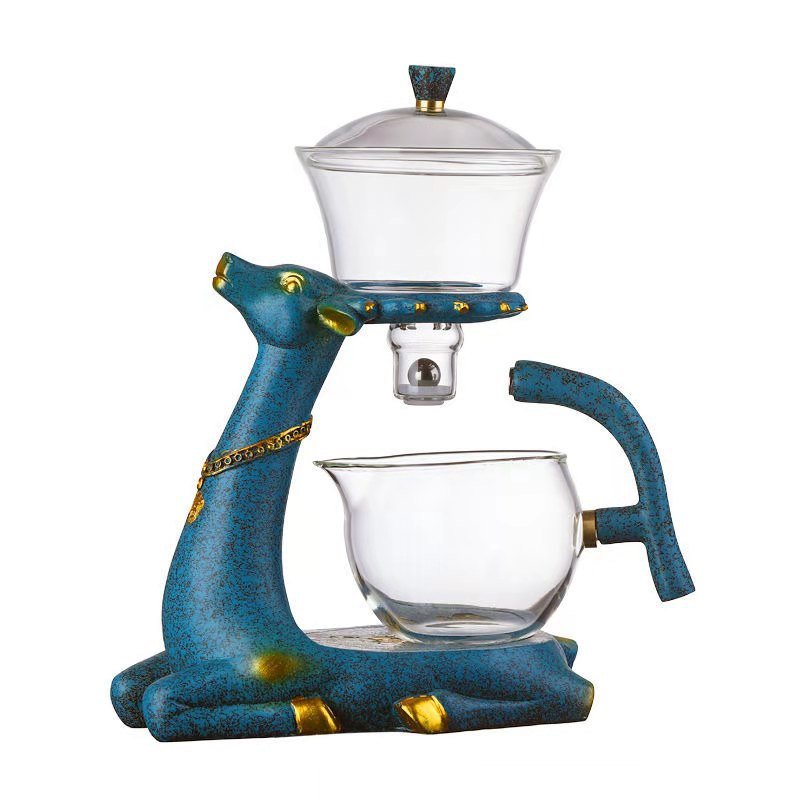
Glass makes the trade visible: watch the leaf open, judge the colour, watch the steam leave. For a tea you intend to drink over twenty minutes, a glass teapot rewards short pours and a warm second steep far more than a long sit. If your table tends to linger, a thicker-walled pot or an insulated sleeve will do more for the cup than a hotter kettle.
None of this needs new equipment, only one decision before the first pour: whether this pot will be drunk now or held, because the two are brewed slightly differently.