Glass vs Ceramic vs Purple Clay Teapots: Which Material Fits Your Tea Routine?
Glass, ceramic, and purple clay teapots create different brewing experiences. The best material depends on what you want to see, how you serve tea, how often you clean the pot, and whether you want one versatile teapot or a dedicated vessel for a narrower tea routine. This comparison focuses on practical trade-offs rather than unsupported claims about health or flavor effects.
Quick comparison
| Material | Best known for | Good fit for | Watch-outs |
|---|---|---|---|
| Glass | Visibility and easy inspection | Flower tea, green tea, loose leaf tea, beginners | Shows marks and needs careful handling |
| Ceramic | Traditional look and broad everyday use | Tea drinkers who prefer an opaque, substantial vessel | Finish and care instructions vary by product |
| Purple clay | Traditional dedicated-teapot practice | Experienced drinkers with a focused tea routine | Porous clay requires deliberate use and cleaning |
Glass teapots: see the brew as it develops
Glass is a practical choice when the visual part of brewing matters. A clear body lets you watch leaves open, observe the tea's color, and see when the infusion has drained. It is also a straightforward material for switching between tea styles because it does not have the same porous character associated with unglazed clay.
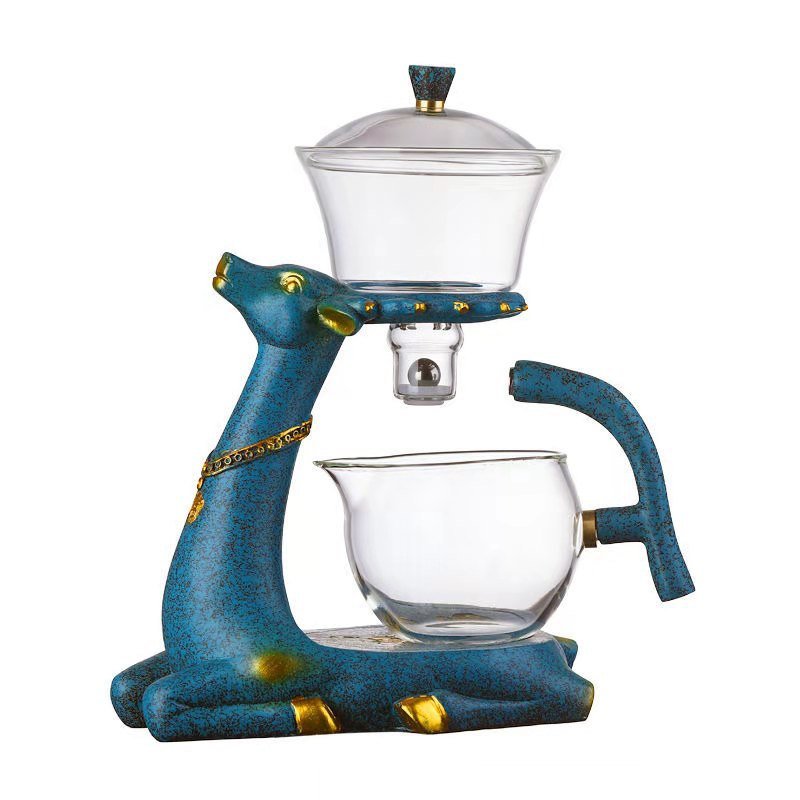
RORA's Magnetic Tea Set collection centers on automatic glass teapots. The matching cup activates the magnetic water-diversion mechanism, so the set combines visible brewing with cup-by-cup pouring. Glass is a strong fit for shoppers who want one versatile set for home, office, or travel.
Choose glass if you value
- Watching the tea leaves and liquor color.
- A versatile vessel for different tea types.
- Simple inspection of the infuser and interior.
- A modern or lightweight visual style.
Ceramic teapots: a traditional everyday option
Ceramic covers a wide range of shapes, glazes, and firing styles. Compared with clear glass, ceramic gives a more opaque and traditional presentation. The exact heat retention, surface finish, and care requirements depend on the product's construction, so read the individual listing rather than generalizing from the word ceramic alone.
Ceramic works well when you want a teapot that feels at home on a dedicated tea table and you do not need to watch the leaves while they steep. For a broader range of RORA teaware, browse the Tea Cups collection and check each item's material and care details.
Choose ceramic if you value
- An opaque vessel with a classic tea-table appearance.
- A substantial, decorative serving piece.
- A style that coordinates with ceramic cups and accessories.
Purple clay teapots: a focused traditional practice
Purple clay, often associated with Yixing teaware, is an unglazed clay tradition with its own care habits. Many enthusiasts use one pot for a focused tea category because porous clay can retain traces of previous infusions. That is a brewing preference and maintenance consideration, not a guarantee of improved flavor.
A purple clay pot is usually a better fit for someone who enjoys a consistent, hands-on tea routine and is willing to keep the vessel dedicated and clean with the maker's recommended method. It may be less convenient than glass for a household that frequently switches among strongly different teas.
Choose purple clay if you value
- A traditional, dedicated-teapot ritual.
- The texture and craftsmanship of unglazed clay.
- Keeping one vessel associated with a narrower tea selection.
How to choose in three questions
- Do you want to watch the brew? Choose glass if the tea's color and leaf movement are part of the experience.
- Do you want one versatile teapot or a dedicated pot? Choose glass or suitable ceramic for broader switching; choose purple clay when a focused routine is intentional.
- How much care will you give the vessel? Choose the material whose cleaning, drying, and handling requirements fit your actual habits.
Care basics by material
- Glass: Rinse after use, remove tea residue, and handle the pot and lid carefully. For magnetic sets, keep the valve and matching cup clean.
- Ceramic: Follow the product's care instructions, especially for decorated or glazed surfaces, and allow the piece to dry fully.
- Purple clay: Avoid mixing strong tea profiles in one dedicated pot unless that is part of your intended practice. Follow the maker's instructions for rinsing and drying.
Bottom line
Choose glass for visibility and versatility, ceramic for an opaque traditional everyday presentation, and purple clay for a focused, hands-on tea practice. If automatic serving and easy product comparison matter most, start with RORA's magnetic glass teapot collection and verify each product's exact materials, capacity, and care instructions before ordering.