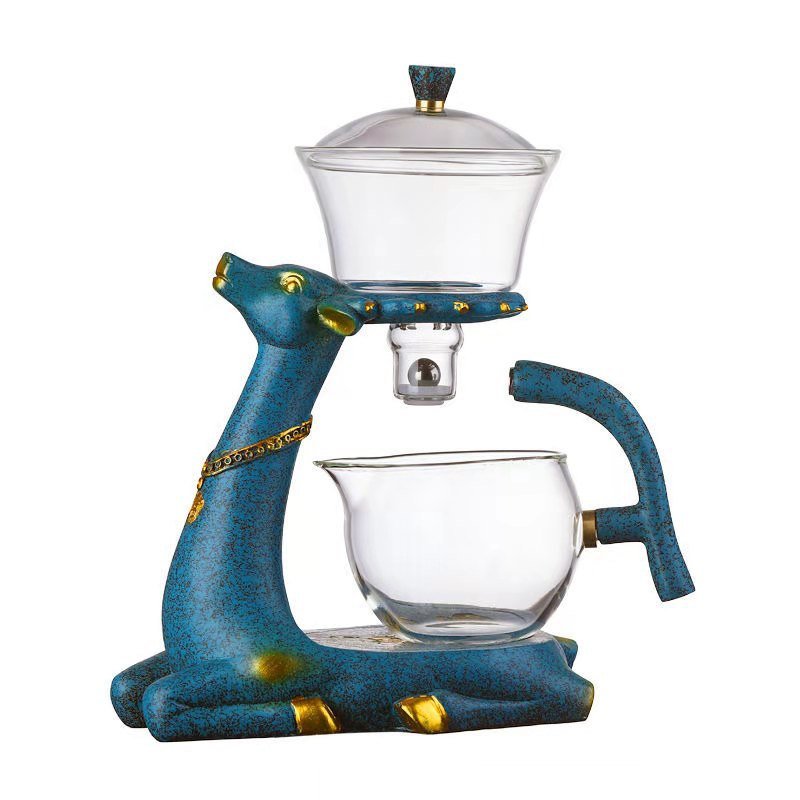
How to Choose a Chinese Tea Gift Set
A Chinese tea gift set works best when it matches the recipient’s tea habits, serving space, and comfort with brewing. The most attractive box is not always the most useful choice. This guide explains how to compare tea type, teaware, capacity, portability, care, and presentation before buying a gift set.
Start with the recipient
Think about how the person already drinks tea. Do they brew alone at a desk, serve guests at home, travel often, or enjoy a longer gongfu-style session? A compact set can suit an individual routine, while a larger set with multiple cups may be better for sharing. If you do not know their preferences, choose versatility and clear product information over highly specialized accessories.
What a Chinese tea gift set may include
- A teapot, gaiwan, or other brewing vessel
- Small tasting or serving cups
- A fairness pitcher or drainage vessel
- A filter, infuser, tea tray, or tea tool
- Loose leaf tea or compressed tea, depending on the package
- A travel bag or presentation box
Always read the exact product listing. Names such as “complete set” or “gongfu set” can describe different combinations, and photographs should not be used to infer pieces that are not listed.
Choose the tea direction
| Recipient preference | Starting direction | Gift-set consideration |
|---|---|---|
| Fresh, light flavors | Green tea or a lighter style | Clear glass can make the leaves and liquor easy to observe |
| Rich, warming cups | Black tea | Choose a vessel that is comfortable for repeated servings |
| Aromatic variety | Oolong tea | Repeated-infusion tools can make the changing aroma more noticeable |
| Deep or evolving profiles | Pu’er tea | Check whether the tea is sheng or shou and review storage details |
| Unsure of the recipient’s taste | A sampler or versatile teaware set | Avoid making a strong health or flavor promise the product cannot verify |
Match the set to serving size
Capacity is one of the most important gift-set details. Compare the listed teapot or gaiwan capacity with the number and size of cups. For a solo drinker, a compact set can reduce leftover tea. For a family or host, several cups and a sharing vessel may be more useful. Use the stated measurement rather than estimating capacity from a photograph.
Consider the recipient’s experience level
Beginners may prefer a set with clear instructions, a simple filter, and fewer pieces to clean. Experienced tea drinkers may value a particular vessel shape, material, cup style, or tea category. A magnetic tea set can be an approachable option for someone who wants cup-by-cup draining with less manual pouring; explain the mechanism rather than assuming the recipient already knows how it works.
Compare materials and care
Glass is useful when visual brewing matters. Porcelain and ceramic can suit a traditional table setting and are available in many shapes and finishes. Clay vessels may need more specialized use and care depending on their construction and intended tea style. Confirm the product’s stated material, heating limits, cleaning method, and included components before gifting.
For gift buyers considering a clear vessel, RORA’s glass teapot collection provides a starting point for comparing designs. Check the individual product page for capacity, materials, package contents, and care instructions.
Packaging and presentation
- Check whether the box, travel bag, or wrapping is included or sold separately.
- Confirm the shipping package is appropriate for fragile teaware.
- Review the delivery address and timing before ordering a gift.
- Include a short brewing note if the tea or set does not come with instructions.
Common gift-set mistakes
- Choosing a set only because the box looks premium.
- Assuming every “Chinese tea set” is designed for gongfu brewing.
- Ignoring the recipient’s available storage and serving space.
- Buying tea without checking whether the recipient prefers green, black, oolong, or Pu’er styles.
- Assuming the photograph shows every included piece.
Quick checklist before buying
- Who will use the set, and how many people will it serve?
- Which tea flavors does the recipient already enjoy?
- What exactly is included?
- What are the stated capacity, materials, and care instructions?
- Is the set easy to clean, store, and transport?
- Does the product page provide enough information to make the gift decision confidently?
Final takeaway
The best Chinese tea gift set is practical, clear, and matched to the recipient. Choose the tea direction and capacity first, then compare materials, included pieces, care, and presentation. A thoughtful set should make the first brew easier, not add unnecessary guesswork.