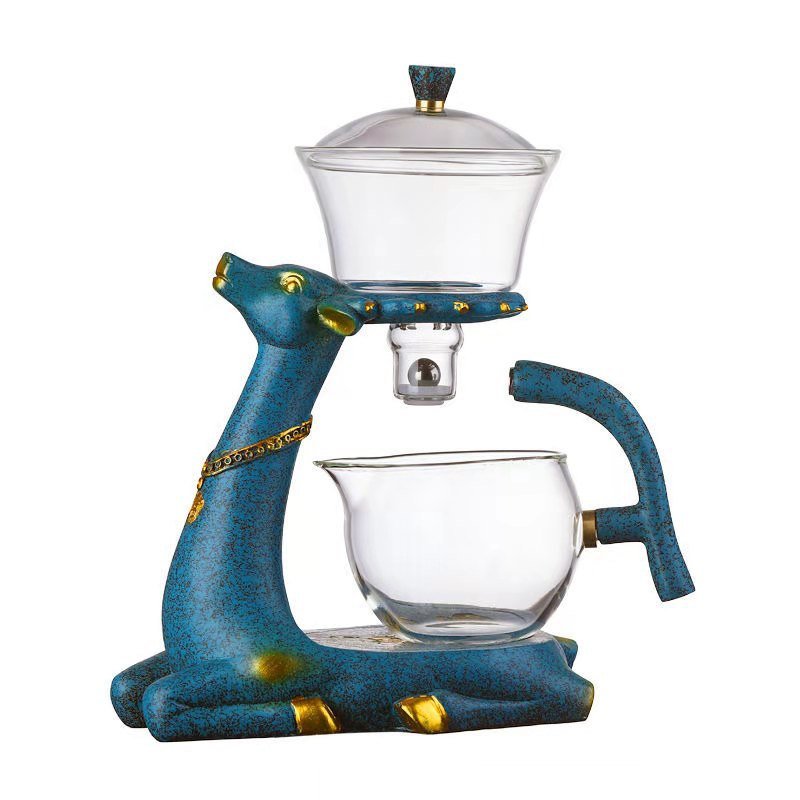
How to Brew Loose Leaf Tea in a Gongfu Tea Set
Gongfu brewing is a practical way to explore loose leaf tea through small servings and repeated infusions. The goal is not to follow a rigid ceremony; it is to control the leaf, water, time, and pouring so you can notice how the tea changes. This guide explains a simple starting method for a gongfu tea set, including a magnetic tea set or a traditional teapot-and-cups setup.
What you need
- Loose leaf tea
- Fresh water and a safe way to heat it
- A small gongfu teapot, gaiwan, or magnetic tea set
- Small cups and, if your set uses one, a fairness pitcher
- A timer for the first few infusions
Use the product’s own capacity and care instructions as the source of truth. If you use a magnetic tea set, RORA’s magnetic tea set guide explains how its cup-triggered draining mechanism works.
1. Choose and measure the tea
Start with the tea seller’s recommended leaf amount when it is provided. Leaf size, shape, density, and tea style can make volume measurements inconsistent, so record the amount and water volume you use. For a first session, use a moderate amount that leaves enough room for the leaves to open.
2. Warm the vessel
Rinse the brewing vessel with hot water if the product instructions allow it. Warming the vessel can help keep the brewing conditions more consistent, but it is not a substitute for following the manufacturer’s instructions for glass, ceramic, or other materials.
3. Add water suited to the tea
Use a temperature appropriate for the tea rather than one universal number. Delicate green teas are often prepared with cooler water than teas commonly brewed with very hot water, but the correct range depends on the tea and the seller’s guidance. If you are uncertain, begin conservatively and adjust after tasting.
4. Rinse only when appropriate
Some compressed or heavily processed teas may be briefly rinsed before the first drinking infusion. This is a preparation choice, not a mandatory step for every loose leaf tea. If you rinse, pour the liquid away and do not treat it as a normal serving unless the product instructions say otherwise.
5. Brew the first infusion
Pour water over the leaves and start timing. Gongfu brewing often uses shorter infusions than a large mug, but the exact time depends on the tea, leaf amount, vessel, water, and desired strength. Pour the infusion out cleanly when it tastes ready. Leaving the leaves submerged between servings can make the next infusion much stronger than planned.
6. Serve evenly
If you use several cups, pour into a fairness pitcher first when your set includes one. This helps distribute the infusion more evenly. A magnetic tea set can separate brewing and serving into a compact workflow: place the receiving cup on the designated lid or drain point according to the product instructions, then lift it when the desired amount has transferred.
7. Adjust one variable at a time
If the tea tastes too light, try slightly more leaf or a longer infusion. If it tastes too strong, bitter, or astringent, try less leaf, cooler water, or a shorter infusion. Changing every variable at once makes it difficult to learn what improved the cup.
Simple starting directions by tea style
- Green tea: begin with a gentler approach and watch for bitterness caused by excessive heat or time.
- Black tea: explore a fuller infusion, then shorten the next steep if the finish becomes too strong.
- Oolong tea: use repeated infusions to observe changes in aroma and body.
- Pu’er tea: follow the product’s guidance for sheng or shou style, compression, rinsing, and storage.
Cleaning after the session
Remove the leaves promptly, rinse the vessel according to its care instructions, and allow it to dry fully before storage. For a glass vessel, the clear surface makes residue easy to spot; for a magnetic or automatic set, pay attention to the valve, filter, lid, and any removable parts specified by the product instructions.
Final takeaway
Good gongfu brewing comes from repeatable small adjustments, not from complicated equipment. Start with clear product guidance, pour each infusion cleanly, taste before changing the next variable, and choose a tea set that matches how you actually serve tea.