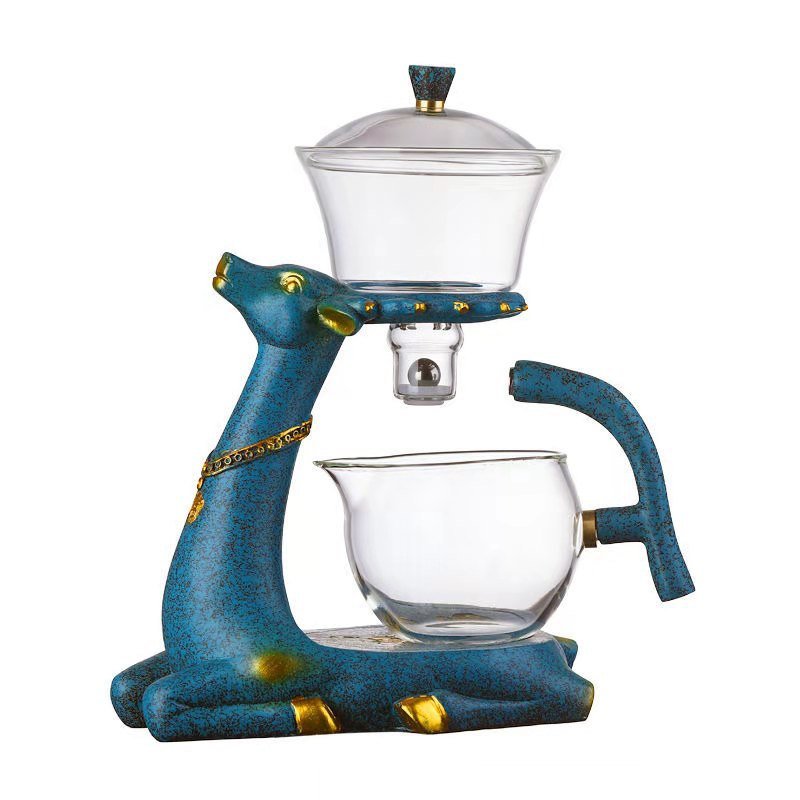
How to Clean a Borosilicate Glass Teapot
A clear glass teapot makes tea leaves and residue easy to see, which is helpful for daily care. Borosilicate glass is used in many tea vessels, but the correct cleaning routine still depends on the exact product design, lid, filter, valve, handle, and manufacturer instructions. This guide gives a conservative routine for keeping a borosilicate glass teapot clean without making unsupported claims about every glass product.
Before cleaning
Check the product page or care label first. Do not assume that every glass teapot is dishwasher-safe, stovetop-safe, oven-safe, or suitable for sudden temperature changes. If the product instructions are silent, choose the gentlest cleaning method and avoid thermal shock.
After every use
- Allow the vessel to cool gradually. Do not pour very cold water into a hot glass teapot.
- Remove loose tea leaves and dispose of them in the appropriate waste or compost stream.
- Rinse the pot, lid, filter, and removable serving parts with clean water.
- Use a soft sponge or bottle brush only if the product shape allows it.
- Leave every part open to air-dry completely before reassembly or storage.
How to remove tea residue
For light staining, soak the cooled vessel with warm water and a small amount of mild dish soap if the product instructions permit soap. Rinse thoroughly so no detergent remains. For a magnetic tea set or a teapot with a drainage valve, do not force a brush, pin, or abrasive object into the valve. Follow the product instructions for flushing or removing the relevant parts.
For persistent stains
Try a gentle soak before using stronger cleaning products. A soft cloth or non-abrasive sponge can help lift residue from smooth glass. Avoid steel wool, abrasive powders, rough scouring pads, and sharp tools because they can scratch surfaces or damage fittings. If you use a commercially available cleaner, confirm that it is appropriate for the product materials and rinse according to its label.
Cleaning the filter and lid
Tea particles often collect around fine filters, lids, seals, and spouts. Rinse these areas promptly after brewing. If a filter is removable, clean it separately and allow it to dry before putting it back. Do not disassemble a sealed mechanism unless the manufacturer provides instructions; incorrect reassembly can affect the way the set pours or drains.
Cleaning a magnetic or automatic glass teapot
Automatic designs may include a spring-loaded valve, magnetic trigger, gasket, or other moving parts. Keep tea leaves from drying inside these areas. Use only the cleaning method specified for the model, and do not treat the electrical, magnetic, or valve components as interchangeable between products. RORA’s magnetic tea set guide explains the basic drainage concept; the individual product page remains the authority for care instructions.
What to avoid
- Sudden hot-to-cold temperature changes.
- Boiling or heating the vessel unless the product explicitly allows it.
- Abrasive cleaners, metal tools, or hard brushes.
- Leaving wet tea leaves in the pot for long periods.
- Storing the teapot with trapped moisture inside.
- Assuming a clear vessel is free of residue because it looks clean from one angle.
How often should you deep-clean?
Rinse after every use. Perform a more thorough inspection whenever you notice visible film, odor, blocked filter openings, or residue around the spout or valve. The right frequency depends on how often you brew, the type of tea, and the product design.
Storage
Store the clean, dry teapot where it will not be knocked against hard objects. Keep the lid slightly open during drying, then follow the product’s storage guidance. If the vessel has removable parts, store them in a way that keeps seals and filters from being compressed or lost.
Final takeaway
The safest glass-teapot routine is simple: cool gradually, remove leaves promptly, rinse every part, use gentle tools, avoid thermal shock, and follow the exact product instructions for filters, valves, and heating. Consistent care keeps the vessel clearer and makes problems easier to spot early.