Black Tea vs Green Tea: What Is the Difference?
Black tea and green tea come from the same tea plant, but they are processed differently. That difference changes the leaf color, liquor color, aroma, body, and the way each tea fits into a daily tea routine. If you are deciding what to buy or brew first, this guide gives you a practical comparison without treating one tea as universally better.
The short answer
Green tea is generally heated soon after picking to slow oxidation, so it keeps a fresher, more vegetal profile. Black tea is intentionally oxidized before drying, which usually creates a darker leaf and a fuller, maltier, fruitier, or more warming cup. The exact taste still depends on the cultivar, harvest, origin, processing, and brewing method.
Black tea vs green tea at a glance
| Feature | Black tea | Green tea |
|---|---|---|
| Processing | More oxidation before drying | Early heating to slow oxidation |
| Dry-leaf appearance | Often dark brown to black | Often green to olive, depending on style |
| Liquor | Amber, copper, or red-brown | Pale yellow to green-gold |
| Typical profile | Malty, brisk, fruity, floral, or rich | Fresh, grassy, vegetal, nutty, or lightly sweet |
| Brewing priority | Balance strength with steeping time | Protect delicate aroma with suitable water temperature |
How processing changes the cup
After tea leaves are picked, processing controls how much chemical change takes place in the leaf. Green tea is heated early in the process, while black tea is allowed to oxidize further before the final drying stage. “More oxidized” does not mean “stronger” in every sense: a light black tea can be delicate, and a bold green tea can be intense. Processing is one useful clue, not a complete tasting description.
When black tea may be the better choice
- You prefer a fuller cup: Black tea often has more body and a deeper color, which can suit drinkers who enjoy a more pronounced brew.
- You add milk or lemon: Some black teas have enough structure to remain expressive with simple additions, although the best choice depends on the tea.
- You want a warming daily style: Malt, dried fruit, cocoa, spice, and floral notes can make black tea feel comfortable in a morning or afternoon routine.
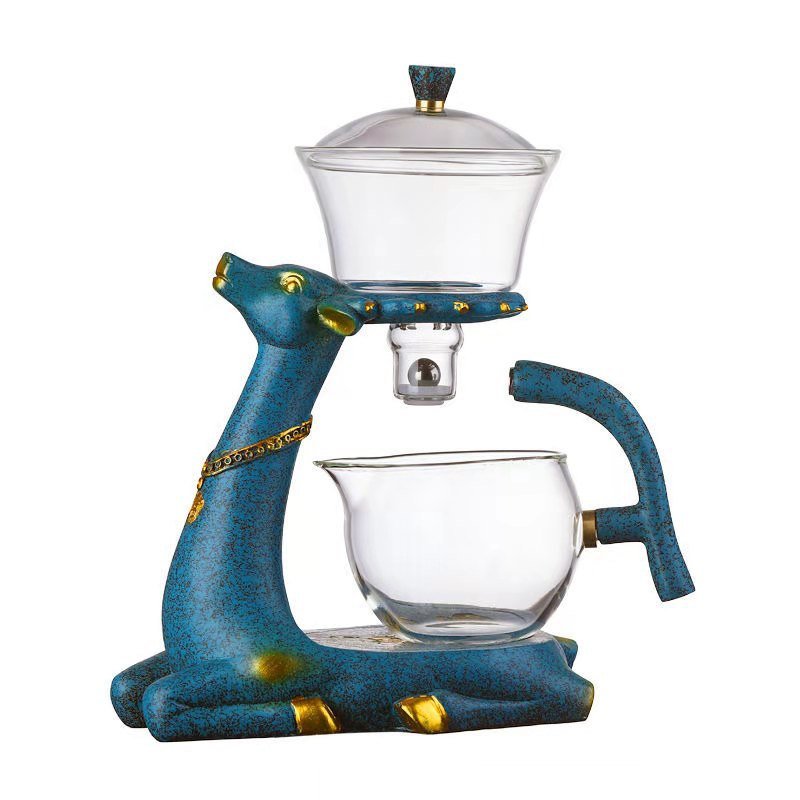
Use a white porcelain or glass vessel when you want to observe the liquor color and adjust the infusion visually. RORA’s glass teapot collection is designed for shoppers who want to watch the brewing process; always follow the product’s listed capacity and care instructions.
When green tea may be the better choice
- You enjoy fresh, clean flavors: Green tea can show grassy, vegetal, nutty, floral, or lightly sweet notes.
- You want to compare leaf shape and color: Clear glass makes it easier to see leaves open and the liquor change during brewing.
- You brew short infusions: A smaller amount of leaf with shorter infusions can make it easier to explore how the flavor develops.
Green tea can become sharp or overly bitter when brewed too hot or left too long. Start with the tea seller’s instructions, then adjust one variable at a time: leaf amount, water temperature, or steeping time.
Which tea is easier for a first-time buyer?
Choose black tea if you already know you like rich, aromatic, or robust drinks. Choose green tea if you prefer fresh flavors and want to explore the appearance of the leaf while it opens. If you are uncertain, buy a small amount of each rather than choosing based only on color or a claim about quality.
How to brew both teas more consistently
- Use the product’s recommended leaf amount and water volume as your starting point.
- Preheat the vessel if the brewing instructions call for it.
- Use a timer for the first infusion so you can repeat the result.
- Pour the tea cleanly when the infusion is ready instead of leaving the leaves in hot water by accident.
- Record what you tasted before changing the next variable.
Final takeaway
Black tea is usually the better starting point for a deeper, fuller, more warming profile. Green tea is usually the better starting point for freshness, clarity, and visual brewing. Neither category is automatically superior: the right choice is the one whose flavor, preparation, and serving style fit your routine.