How to Choose Chinese Tea for a First Purchase
Chinese tea covers many styles, flavors, formats, and brewing traditions. That variety is exciting, but it can make a first purchase feel harder than it needs to be. The simplest approach is to choose by drinking preference first, then narrow the options using tea type, format, quantity, and brewing setup.
Start with the flavor you already enjoy
Do not begin with a long list of famous names. Begin with a familiar flavor direction.
| If you enjoy... | Start by exploring... | What to look for |
|---|---|---|
| Fresh, light, and vegetal flavors | Green tea | Clean aroma, gentle sweetness, and a liquor you enjoy watching |
| Rich, warming, or malty drinks | Black tea | Body, fruit, malt, floral notes, or a brisk finish |
| Roasted or layered aromas | Oolong tea | Roast level, floral lift, and how the flavor changes across infusions |
| Deep, earthy, or evolving profiles | Pu’er tea | Sheng or shou type, storage details, and a manageable sample size |
| Soft, subtle, and lightly floral cups | White tea | Delicate aroma, gentle body, and simple brewing |
Choose a tea category before a specific product
Tea names can refer to a style, cultivar, origin, shape, harvest, or brand. For a first order, category-level information is easier to compare. Decide whether you want green, black, oolong, white, or Pu’er tea, then read the product page for the actual leaf style, origin, harvest information when provided, net weight, and brewing guidance.
Buy a small amount first
A small package or sample set lowers the risk of choosing a flavor that does not fit your routine. It also lets you compare two teas using the same water and vessel. Larger packaging can make sense once you know what you enjoy, but a beautiful package should not replace clear information about the tea itself.
Check the information that matters
- Tea type: Confirm the category and, for Pu’er, whether it is sheng or shou.
- Net weight: Compare the actual amount of tea rather than the size of the outer package.
- Origin and production details: Use specific information when it is available, but do not assume that an origin label alone guarantees a particular taste.
- Storage: Especially important for compressed or aged teas.
- Brewing guidance: Look for suggested leaf amount, water volume, temperature, and steeping time.
- Seller support: A useful product page should make it possible to ask questions before buying.
Match the tea to your brewing setup
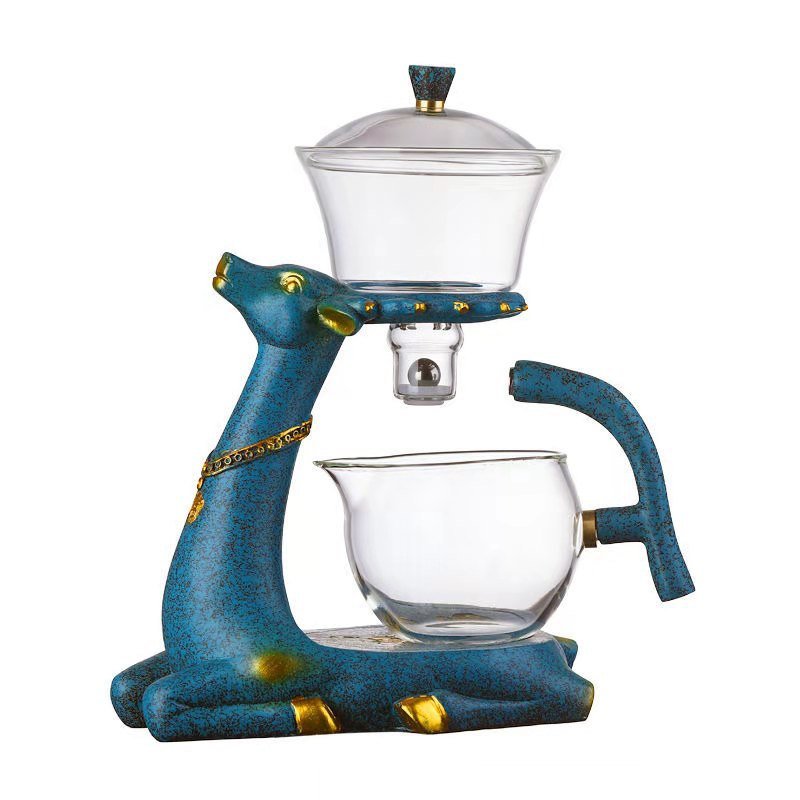
If you brew at a desk or want a tidy serving routine, a compact magnetic tea set can make cup-by-cup pouring simple. If you enjoy seeing the leaves open and watching the liquor change, a glass teapot is a practical starting point. RORA’s glass teapot collection is suited to shoppers who value visual brewing; check each product’s capacity, materials, included pieces, and care requirements.
A larger serving set makes more sense when you regularly share tea. For one person, choose a size that does not leave more brewed tea than you intend to drink. Use the stated teapot capacity as your main measurement and treat cup count as a serving-convenience reference.
Use a simple first-tasting method
- Use the same vessel and water for each tea you compare.
- Measure the leaf or use the product’s recommended amount.
- Time the first infusion and write down the aroma, body, finish, and any bitterness or astringency.
- Change only one variable on the next infusion.
- Decide whether you would happily drink the tea again before judging whether it is the “best.”
Common first-purchase mistakes
- Buying by package appearance without checking net weight.
- Choosing the most expensive option before learning your flavor preference.
- Assuming every green tea or Pu’er tea tastes the same.
- Using one brewing method for every category.
- Changing leaf amount, water temperature, and time all at once.
Quick decision guide
Choose green tea for fresh and clean flavors, black tea for fuller and warmer profiles, oolong for aromatic complexity, white tea for a softer cup, and Pu’er for deeper or evolving styles. Start with a small amount, use the product details to set expectations, and choose a brewing vessel that fits how you actually drink tea.
Final takeaway
A good first Chinese tea purchase is not about knowing every tea name. It is about matching a clear flavor direction to reliable product information, a sensible quantity, and a brewing setup you will use. Once you find a tea that suits your routine, you can explore origin, harvest, processing, and more specialized styles with much less guesswork.