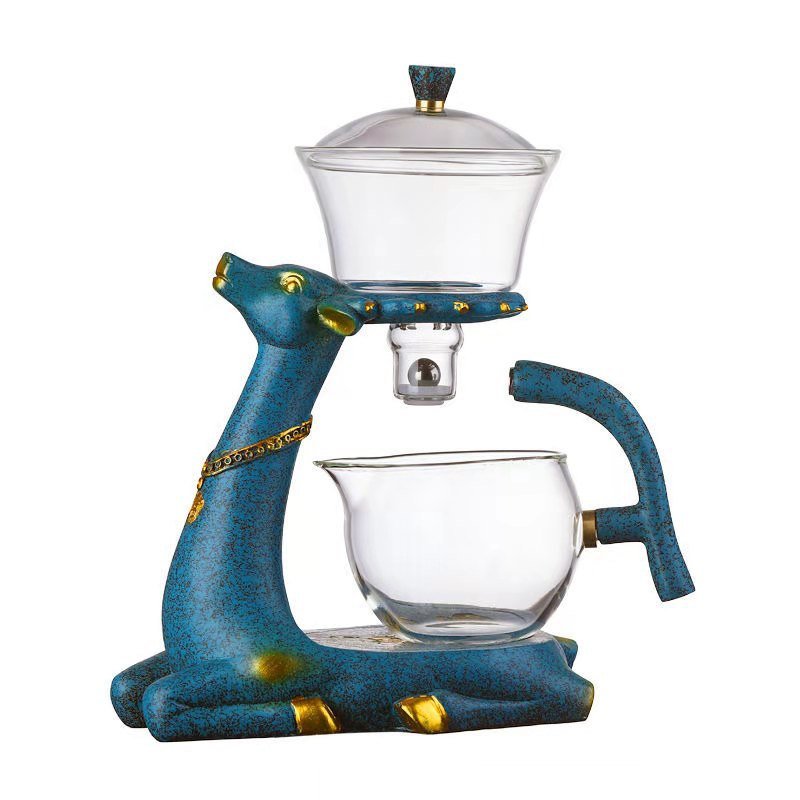

The History and Origin of Pu-erh Tea
The Name and Meaning of Pu-erh
Known as Pu-er or Pu-erh in English, this tea originates from Xishuangbanna, Yunnan, and gets its name from Pu’er, the ancient distribution hub.
Pu’er, formerly Ning’er County, is a Hani autonomous county in Simao; the Hani language meaning is “village by the bay,” carrying a warm sense of home.
Even in ancient times, a sturdy teapot was essential to brew the unique flavor of this regional tea.
The Long History of Pu-erh Planting
Pu-erh tea’s history dates back to the Eastern Han Dynasty, spanning 2,000 years, with folk legends linking it to Zhuge Liang’s legacy of tea seed cultivation, giving it at least 1,700 years of planting history.
Called “Bu-ri” in the Tang Dynasty, its precursor was Yinsheng Tea, later named “Pu Tea” in the Yuan Dynasty, and officially designated Pu-erh Tea during the Wanli reign of the Ming Dynasty.
The Golden Age and Tea Horse Roads
Pu-erh reached its peak in the Qing Dynasty, with over 100,000 people harvesting tea across the six major tea mountains, as recorded in the.
Centered in Pu’er and Simao, six ancient Tea Horse Roads carried the tea to Tibet, Southeast Asia and Europe, with a well-crafted teapot becoming a staple for tasting this prized tea along the routes.
Modern Development and Historical Relics
After 1897, the establishment of foreign customs in Simao boosted Pu-erh’s exports, and the Tea Horse Roads thrived further.
Remnants of these ancient paths, marked by horse hoof prints, still exist today, bearing witness to Pu-erh’s trade legacy.
To this day, a classic teapot remains the ideal vessel to unlock Pu-erh’s deep, aged charm.
1 comment
qng2lh