
The Origin of Huajuan Tea
Origin and Evolution: From Bailiang Tea to Qianliang Tea
Huajuan Tea was originally named "Bailiang Tea" (100 taels net weight), invented in Jiangnan Town, Anhua, with its production method passed down only to males of the Liu family.
Around 1820, Shaanxi tea merchants ordered dark tea in Anhua, which was pressed into cylindrical shape as Bailiang Tea. Later, Jin merchants improved it into "Qianliang Tea" (1000 taels net weight), wrapped in bamboo strips.
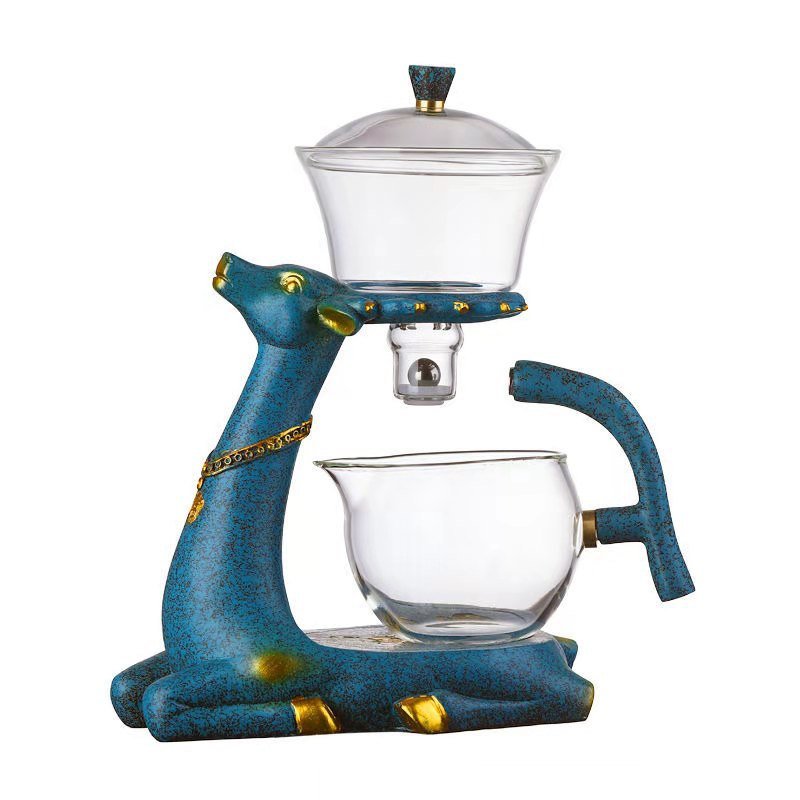
A traditional teapot is ideal for brewing this tea, and a well-crafted teapot can fully release its unique mellow flavor.
Production Changes: From Handmade to Industrialization and Revival
In 1952, Baishaxi Tea Factory invited craftsmen to pass on the production technology, becoming the sole manufacturer of Huajuan Tea.
It was suspended in 1958 due to complex production and inconvenient transportation, replaced by machine-pressed brick tea.
After 1983, it was revived to preserve the craft, and mass production resumed in 1997. A classic teapot was used to test the tea quality during production, and a special teapot was prepared to display the finished Huajuan Tea.
The Origin of the Name "Huajuan"
"Hua" (flower) comes from three aspects: the tea contains white flower stems, its bamboo packaging resembles a flower bud, and high-quality Qianliang Tea grows "Jinhua" (a beneficial fungus) inside.
"Juan" (roll) refers to its production process of pressing and rolling to shape the tea. A delicate teapot can highlight the floral and mellow taste of Huajuan Tea, and a vintage teapot is perfect for appreciating its unique texture.
Craft Value and Protection
Huajuan Tea has 72 complex and scientific production processes, a crystallization of ancient Chinese tea makers’ wisdom.
In 1998, its packaging applied for a national patent, and it is being declared a world intangible cultural heritage.