
Jiuligou: The Source of Tea Ceremony
Overview: Natural Beauty and Cultural Heritage
Jiuligou Scenic Area is famous for its fantastic landscapes and ancient Taoist culture, with towering peaks, flying waterfalls, and dense forests that bring people the joy of returning to nature.
As the hometown of Lu Tong, the Tang Dynasty poet known as the "Tea Immortal", it is hailed as the "source of tea ceremony".
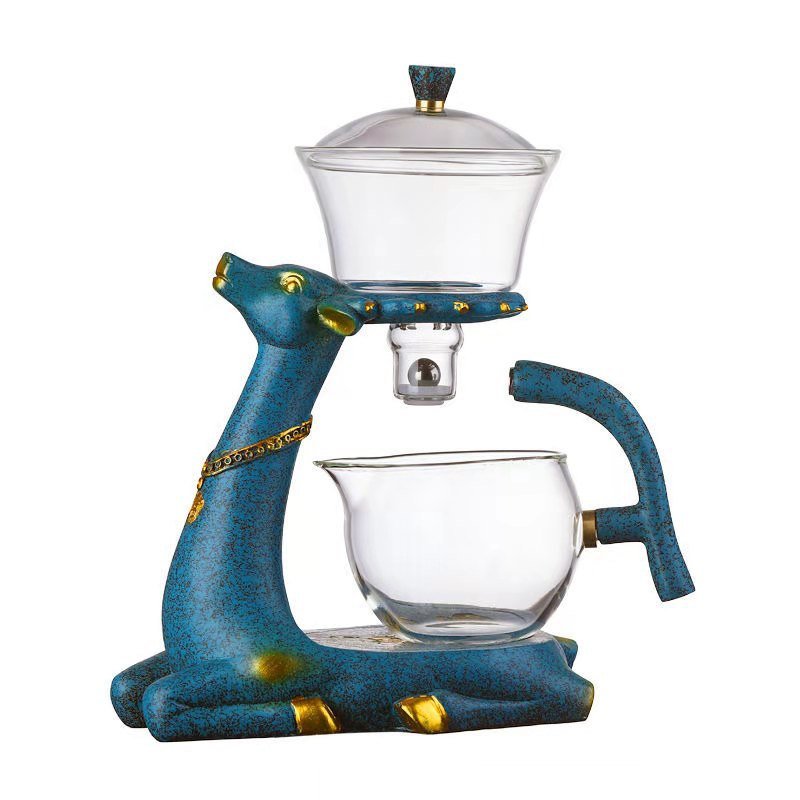
A simple teapot is a symbol of Lu Tong’s tea-making legacy here, and a delicate teapot can be seen in scenic spots related to him, connecting the natural beauty with tea culture.
Lu Tong and the Origin of Tea Ceremony
In ancient times, Jiyuan was known as "Yuchuan", and Jiuligou was Lu Tong’s hometown. Legend has it that Lu Tong often brewed tea and wrote poems here, leaving relics such as Yuchuan Spring and Lu Tong’s Tomb.
His *Seven Bowls of Tea Song* evolved into tea ceremony in Japan.
Today, there are tea-tasting platforms and Lu Tong’s Tea House in the scenic area, where a traditional teapot is used to brew tea in the ancient way, and a well-preserved teapot showcases the heritage of tea culture passed down from Lu Tong.
Spectacular Natural Landscapes
Jiuligou boasts numerous magnificent waterfalls, among which Jiulong Waterfall and Shicao Waterfall are the most stunning.
During the rainy season, Jiulong Waterfall rushes down from cliffs with mist and roaring sounds, while Shicao Waterfall flows through a stone valley in an S-shape.
Visitors can enjoy the scenery while sipping tea from a teapot, and a portable teapot is perfect for tasting tea by the waterfalls, blending the beauty of nature with the fragrance of tea.
Cultural Attractions and Unique Experiences
The scenic area also has many cultural attractions, such as Chantang Ancient Temple and Jinlu Ding, reflecting the integration of Taoism and nature.
Shuihongchi, a summer resort with a unique climate, retains ancient stone buildings and customs, like a "paradise".