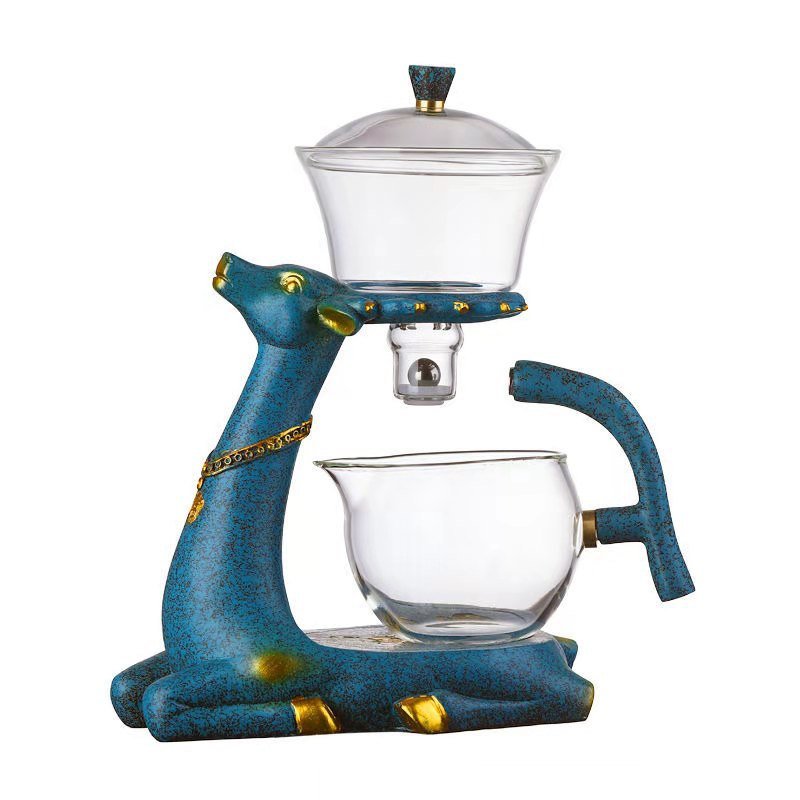

A Brief Analysis of Zen Tea Ceremony in Chinese Tea Culture
Zen Tea Ceremony: One of China’s Four Tea Ceremony Schools
Different cultural backgrounds have formed China’s four major tea ceremony schools, among which Zen tea ceremony originates from "the virtue of tea" and aims at meditation and enlightenment.
Monks have a long history of drinking tea, and they developed Zen tea ceremony based on tea’s virtues. A simple teapot is the core utensil for monks to brew tea, and a quiet teapot accompanies their daily meditation and practice.
The Origin of Monks’ Tea Drinking
Monks’ tea drinking can be traced back to the Eastern Jin Dynasty, as recorded in historical documents. Monks drank tea to help with meditation, and they even developed unique tea drinks.
A rough teapot was used to boil tea in ancient times, and a practical teapot became an indispensable tool for monks’ daily practice, gradually forming a tradition of tea drinking in Buddhism.
The Connection Between Tea and Zen: "Tea and Buddhism Are One"
Buddhism believes that tea has three virtues: keeping monks awake during meditation, aiding digestion, and restraining desire, which perfectly fits Zen practice.
Lu Yu, the "Tea Sage", was raised in a temple and learned tea brewing from monks; his *The Classic of Tea* summarizes monks’ experience in tea planting and brewing.
A delicate teapot was used to brew tea for meditation, and a solemn teapot was prepared for Buddhist rituals, embodying the integration of tea and Zen.
Monks’ Contributions to Tea Culture
Monks made great contributions to tea cultivation and the development of famous teas, as most famous teas originated from temples.
They planted tea near temples and refined tea-making techniques, using a special teapot to preserve tea’s fragrance and a traditional teapot to pass down brewing skills.
Their efforts promoted the spread of tea culture and laid a foundation for the prosperity of Chinese tea.